
Introduction
The internet has become an important part of modern life. Students use websites every day for learning, communication, entertainment, research, and many other activities. But have you ever wondered how those websites are created?
Two of the most important technologies behind websites are HTML and CSS. HTML, or HyperText Markup Language, provides the structure of a webpage, while CSS, or Cascading Style Sheets, controls its appearance and design. Learning these technologies can give students a better understanding of how the web works while allowing them to create their own digital projects.
Here are 10 reasons why students should learn HTML and CSS and how these skills can help them in school, personal projects, and future careers.
01 It Teaches You How Websites Work
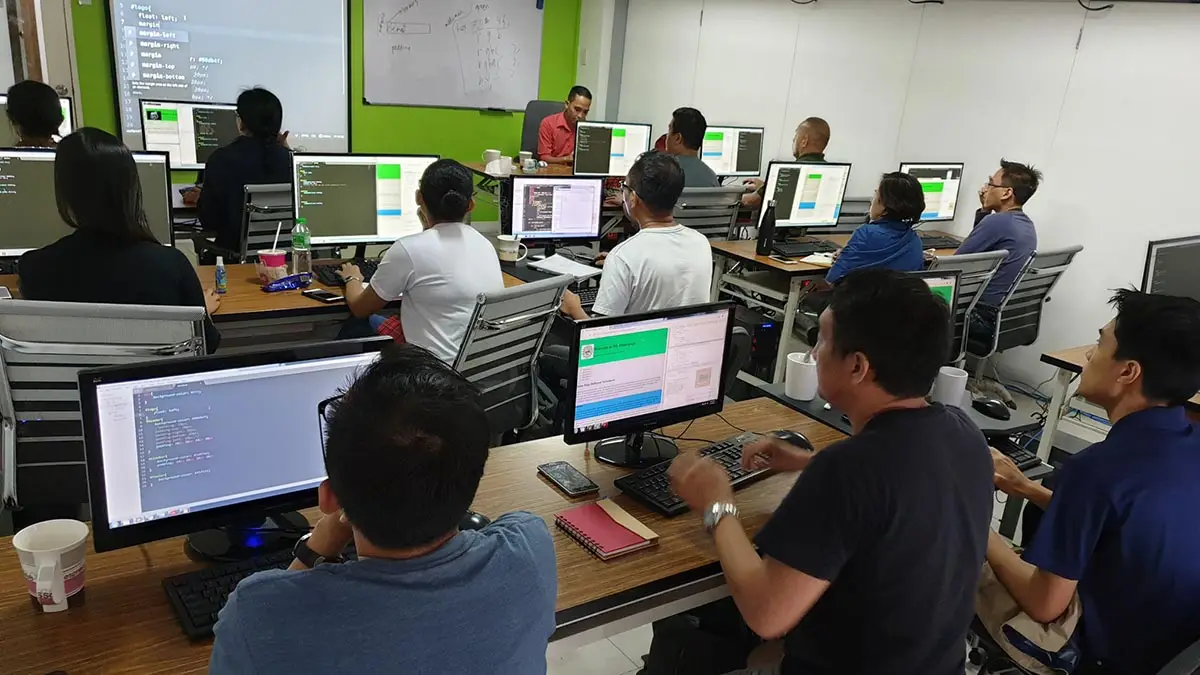
HTML and CSS help students understand what happens behind the webpages they visit every day. HTML creates the basic structure of a webpage using elements such as headings, paragraphs, images, links, and lists. CSS then controls how those elements look on the screen.
02 It Builds a Strong Foundation in Web Development
HTML and CSS are fundamental technologies used in web development. Students who learn them gain a strong foundation before moving to more advanced technologies. Once they understand webpage structure and design, learning JavaScript, frameworks, and other web development tools can become easier.

03 It Allows You to Create Your Own Website
One of the most exciting things about learning HTML and CSS is the ability to create a website from scratch. Students can build personal portfolios, blogs, project pages, online resumes, and simple school websites. Instead of only browsing the internet, students can become creators on it.
04 It Improves Creativity
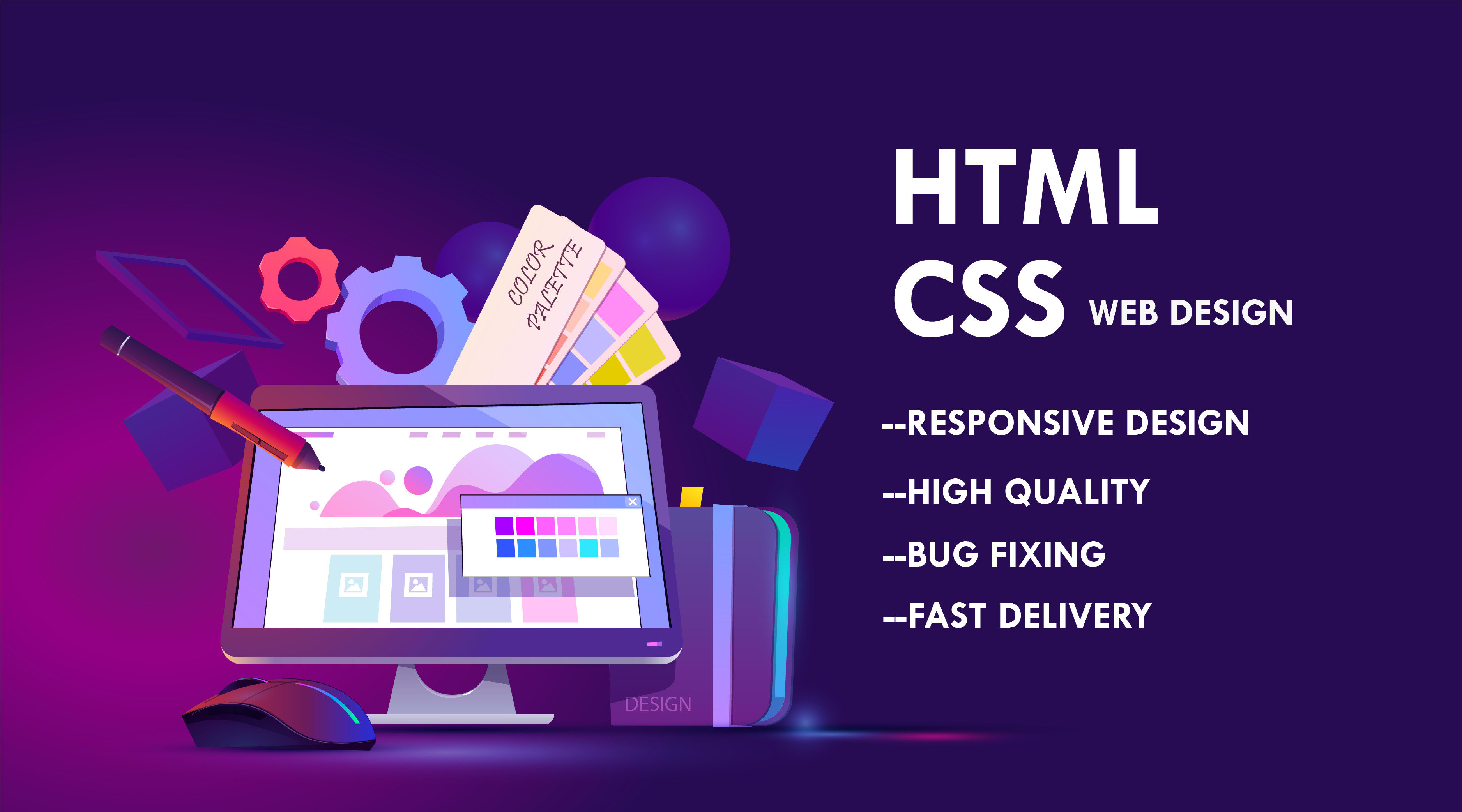
CSS gives students an opportunity to express their creativity. They can experiment with colors, fonts, backgrounds, layouts, borders, animations, and responsive designs. A simple webpage can be transformed into a visually attractive website through creative CSS techniques.
05 It Is Beginner-Friendly
HTML and CSS are good starting points for students who are new to coding. Their syntax is relatively easy to understand, and beginners can immediately see the results of their work in a web browser. This can make the learning process more motivating and enjoyable.

06 It Strengthens Problem-Solving Skills
Creating a webpage is not always perfect on the first attempt. Students may encounter missing elements, incorrect layouts, broken links, or styling problems. Finding these mistakes requires patience, logical thinking, and problem-solving. Debugging a webpage can therefore help students develop useful analytical skills.
07 It Supports Other Programming Skills
HTML and CSS are often used together with other web technologies. After learning the fundamentals, students can explore JavaScript for interactive webpages and eventually learn frameworks and other development tools. This makes HTML and CSS useful first steps toward a broader programming journey.

08 It Can Help With School Projects
Students can use their HTML and CSS skills to create impressive digital outputs. For example, a student can create a project website, online portfolio, digital presentation, informational page, or class activity webpage. These projects can demonstrate both technical knowledge and creativity.
09 It Can Open Career Opportunities
Web development skills can be valuable in the technology industry. Knowledge of HTML and CSS can contribute to careers such as web development, front-end development, UI design, and other digital fields. Even students who choose a different career can benefit from understanding basic web technologies.

10 It Prepares Students for the Digital Future
The digital world continues to grow and change. Websites, applications, online services, and digital platforms are now part of everyday life. Understanding HTML and CSS gives students useful technical knowledge and prepares them to adapt to future opportunities in technology.
Conclusion
Learning HTML and CSS is more than simply learning how to write code. It teaches students how websites are structured, how digital designs are created, and how ideas can be turned into real webpages. These technologies can also improve creativity, problem-solving, technical confidence, and preparation for future careers.
Students do not have to become professional web developers immediately. Starting with the basics of HTML and CSS can already provide valuable knowledge that can be developed over time. With practice and curiosity, a simple line of code can eventually become a complete website.
Ready to Build Your First Website?
Open your code editor, write your first HTML page, add some CSS, and turn your ideas into something you can see on the screen.